

CONTRARY TO A POPULAR, LOCAL MISCONCEPTION, THE DISTRICT OF COLUMBIA DOES NOT LEAD THE NATION IN RATS. IN FACT, WASHINGTON, D.C. IS NOT EVEN IN THE TOP TEN AMONG CITIES. WHAT DOES THAT HAVE TO DO WITH LEXUS?
There are more rats in Los Angeles, Chicago, New York City, San Francisco, and Hartford, Connecticut than there are in Washington, D.C. Those are the top five cities. Baltimore is number six. The District of Columbia is not even among the top ten!
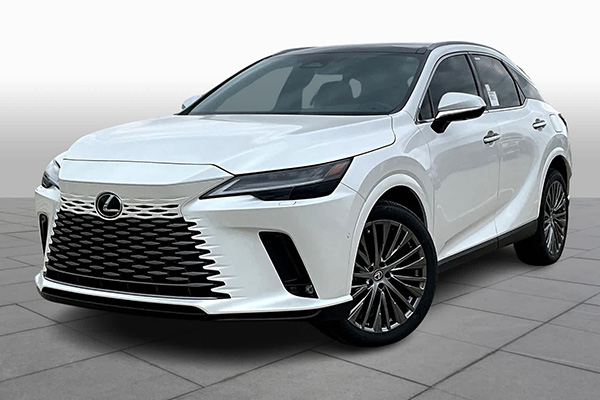
What does that have to do with the Lexus Automobile, primarily made in Japan, although some are made in America and Canada. I walked the streets of Tokyo, Japan, with former Vice President Walter Mondale, while he served as the U.S. Ambassador to Japan, later in his career. There are exquisitely beautiful vehicles in Japan that are never shipped to the United States. Concurrently, American made cars, many of them, are never shipped to Japan. They don't have the space for American-made, larger vehicles. So, what does that have to do with Lexus?
At the end of January, a couple of weeks ago, I reported to you that, "In high school, at a new car dealership, I washed cars, I waxed cars, and soon I was promoted to car hop, moving cars around. I learned the car sales and service milieu. During that time, I also learned how to make minor repairs. After high school, through college and law school, I generally traded in for a new car every year, usually a Ford Mustang, drop top. So, I have felt somewhat expert in the car game." In more recent years, I have regularly traded in for a new Lexus, every few years. I have generally been satisfied with the service from Lexus and the performance of its vehicles.
I was not satisfied, however, when the "Check Engine" Light flashed in my relatively new Lexus ES, with less than 10,000 miles, still under warranty. This after I had received a "thorough" check-up in April. I took the vehicle to a Lexus Dealership in Virginia, and unsatisfied with the service there, a Lexus Dealership in Maryland. Both service consultants Asserted that I had a rat problem, and it would take in excess of $900 just to determine the extent of the problem, and neither the diagnosis nor the repairs would be covered by the warranty. To be blunt, I did not believe them, and I still don't. It struck me as more than a coincidence that both used the same "lines" to draw me into that path. "Not Lexus", I thought, which is the reason I sought the second opinion. Having explored litigation that is ongoing concerning damage to automobiles by rats, I am more determined to seek and find truth regarding this subject. So, I promised a series of Articles that will be published on my Website, livingwiththelaw.com, in the coming months, and to determine if there are many others in the DMV who have had similar experiences. There may be a Class Action Lawsuit percolating here. This is the first Article.
_______________________________________________________________________
A Class Action Lawsuit may also be transuding against DoorDash, who after a data breach has caused many customers to encounter financial issues. More about that later in livingwiththelaw.com.
_______________________________________________________________________
For now, back to Lexus. Reaching back to my "Street Law" days, it is likely important first to discuss a "warranty" versus a "guarantee" and to understand the difference, if there is any. A declaration, warranty, written or verbal, promising that a product will meet certain specific expectations creates an express warranty. A guarantee is a promise to back the obligation of a borrower or lender. The guarantor ensures that the promise is fulfilled. A warranty can be expressed or implied, and many states have legislated implied warranties. A vendor or dealer can seek to avoid implied warranties through disclaimers or “as is" sales. Again, some states have legislated against disclaimers for consumer goods. There is an Implied Warranty of Merchantability in the District of Columbia. Essentially, there is little difference between a warranty and a guarantee.
A vehicle warranty is typically good for a period of years. If the product doesn’t meet the conditions of the warranty, it can usually be returned, repaired, or replaced, at the dealer's expense. Such is the situation with my Lexus. But the dealerships want me to pay. There's the rub.
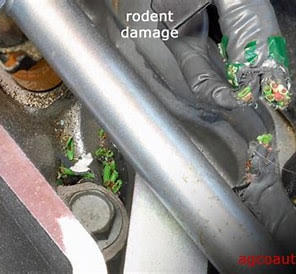
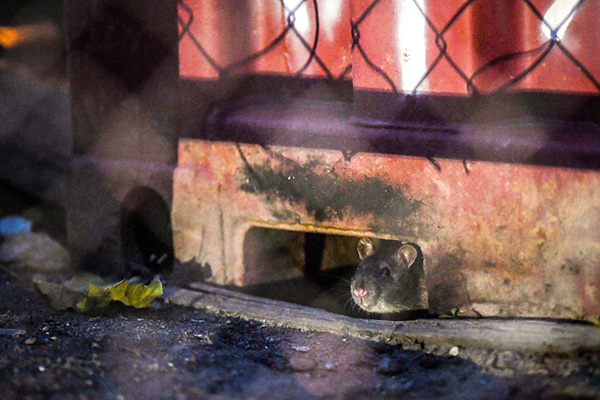
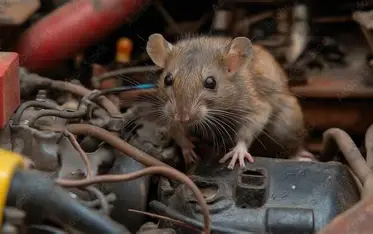
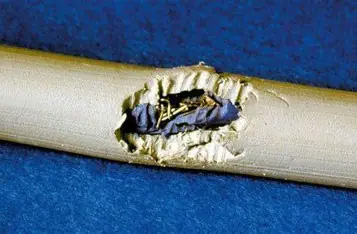
Following my visits to the service departments of the dealerships, I inspected the engine of my Lexus, and it still looks brand, spanking new, nothing like the photo below of an engine and its parts, gnawed away by rats (more photos below). While it is true that many vehicles attract rats because soy-based wiring coating is now being used, (previously, oil and petroleum-based insulations were in use), there is no evidence that rats have been present, dining on my engine, none. The media has proclaimed that D.C. has a real rat problem, and car dealers are now embracing that claim. Another aspect of the nationwide complaints is that the manufacturers had a duty to disclose the use of soy-based insulation, so that buyers would know and could take steps to prevent rat damage to engines.
The Magnuson-Moss Warranty Act is a federal law originally passed in 1975 to regulate written warranties on consumer products. This law, among other things, seeks to provide better information to buyers, and "stop deceptive practices". It seems to me that if Lexus is so certain that "there is a rat problem" why didn't it alert buyers of such. And by the way, when my "Check Engine" Light comes on, it is immediately followed by the notation, "Parking Support Brake Malfunction". Neither Service Consultant mentioned anything about the Brake System or included it in their service write-ups. The Brake System is, of course, covered by the Warranty.
I don't know how many times service consultants at Lexus Dealerships have concluded that rats are the problem and how that data compares to other cars, but the process of discovery, in the event of a lawsuit, could prove promising to a claim.
Finally, it strikes me as strange that nothing was discovered related to rats when it did my major check-up in April, just eight months earlier, in warm weather, when rats typically run rampant, but the rats, they say, were discovered in January, at the height of cold weather, when rats are generally not around.
The big car companies have big money and can pay for expensive attorneys, but if you have had a similar experience as I have, kindly send me an email at AttoprneyJB7@Gmail.com and share that experience with me. There may be a Class Action Lawsuit here.